


An older condo positioned as an urban artist's retreat.
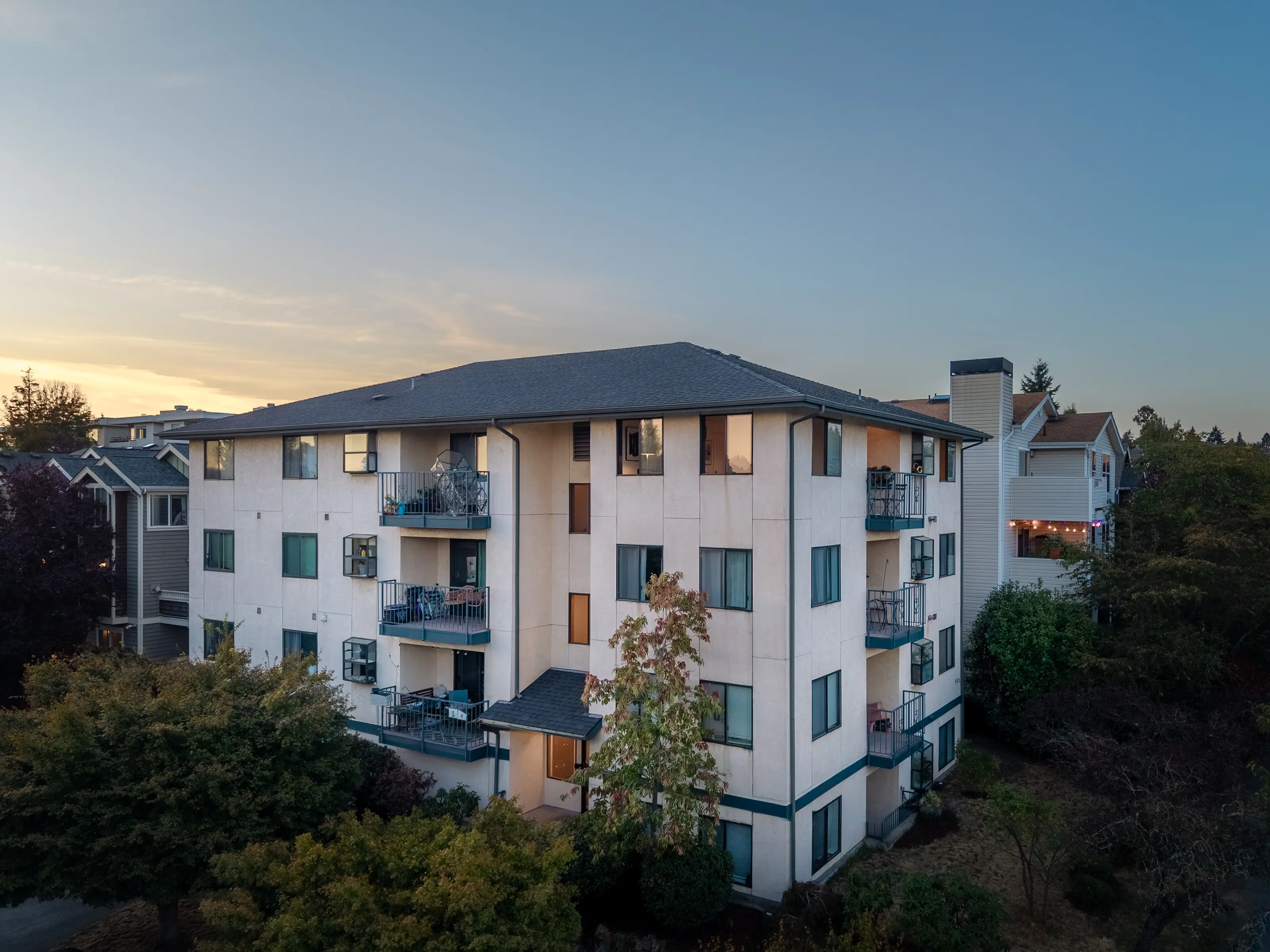
This 1980s walkup with no amenities was against a flood of new construction.
The average days on market for condos at this time in the area was 35 days and sellers were dropping their prices on average -3%.
Our listing went pending in 72 hours at 3% over list price. That's +6% higher than the Average Sold:List price.
The Average Sold:List Price tells us, on average, how much higher or lower than the asking price have properties been selling. We look specifically at the zip code and month we go pending to compare our performance. Depending on the price point, even just 1%-2% can mean thousands or tens of thousands of dollars either gained or lost by the seller.
A dated condo in a tough market
The market wasn't this home's only competition—every newer condominium nearby was. Buyers could choose from properties with contemporary finishes, modern amenities, elevators, fitness centers, and the convenience expected from new construction. At the same time, elevated mortgage rates and HOA dues made renting an increasingly attractive alternative, shrinking the pool of buyers willing to purchase an older condo.
Our challenge wasn't simply to achieve a premium price—it was to reposition the home as the obvious choice in a crowded market. Working within a disciplined budget, we needed to overcome the perception of age, create an emotional connection, and deliver the kind of move-in-ready experience buyers were actively searching for.
Refinishing for impact
Designing around what couldn't be replicated
The greatest value wasn't something we could build—it was already there. A top-floor corner location, abundant natural light, park views, and a generous balcony gave the home assets that newer construction couldn't easily replicate. Rather than compete on age, we chose to compete on experience. Every design decision was intended to amplify these strengths and create an urban sanctuary that felt as compelling online as it did in person.
Modernizing without losing character
Replacing quality materials simply because they were dated wasn't the answer. Instead, we selectively transformed the elements with the greatest visual impact while preserving what deserved to remain. Existing black windows were reframed with bold trim painted to match, creating dramatic shadow-box openings that naturally pulled the eye toward the views beyond.
In the kitchen, we avoided an expensive full renovation in favor of thoughtful reinvention. Granite tile countertops were refinished in a custom microcement finish, introducing a contemporary focal point unlike anything buyers expected. The solid wood cabinetry was preserved and enriched with a warm walnut finish, while deep blue cabinet faces—drawn from the colors of Puget Sound—brought depth, personality, and a distinctly Pacific Northwest identity to the space.
Creating a cohesive experience
The design extended beyond the walls of the unit itself. Because we also helped guide improvements to the building's common areas, the palette flowed naturally from the newly refreshed corridors into the home, creating a seamless arrival experience that made the residence feel intentionally connected to its surroundings rather than isolated from them.
Inside, lighter finishes refreshed the bathroom while updated lighting, outlets, and switches quietly reinforced the feeling that every detail had been thoughtfully considered.
Staging with a sense of place
The final layer was staging that celebrated both the home and its history. Contemporary furnishings were balanced with carefully selected vintage pieces, organic greenery softened the architecture, and a curated gallery wall traced the evolution of the building from its origins to today. Positioned against the expansive wall of windows, the collection added warmth and visual interest without competing with the natural light or views—creating a home that felt authentic, memorable, and uniquely rooted in its neighborhood.